
Mealworms (scientific name: Tenebrio molitor) are the larval stage of the yellow mealworm beetle, a type of darkling beetle native to Europe but now widespread globally due to their use in pet food and farming. They are a staple feeder for reptiles (e.g., bearded dragons, leopard geckos), amphibians, birds, fish, and small mammals due to their availability and nutrition.
Key facts:
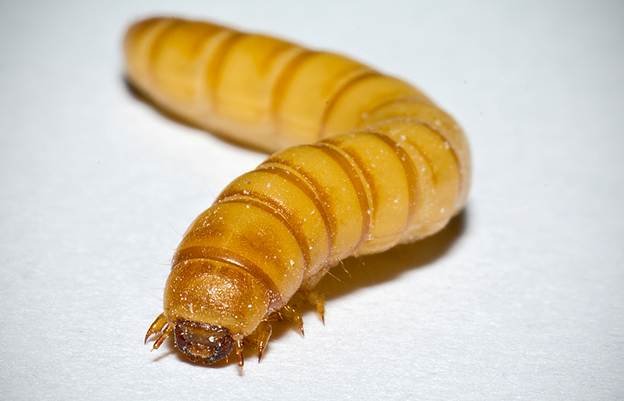
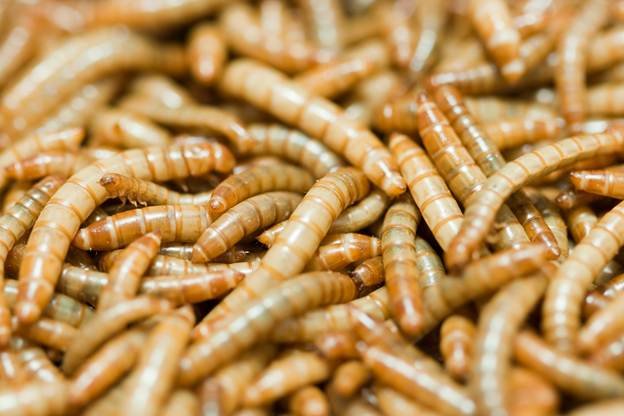
- Size and Appearance: Larvae reach 1-1.25 inches (2.5-3.2 cm) long, golden-brown with a hard, segmented exoskeleton. They molt multiple times (8-20 instars), appearing white briefly post-molt.
- Lifespan: Larval stage lasts 3-18 months depending on conditions; full cycle (egg-larva-pupa-adult) 280-630 days. Adults live 2-3 months.
- Behavior: Slow-moving, burrowers that prefer dark, dry environments. They don’t climb smooth surfaces well but can chew through cardboard/wood. Cannibalistic if stressed (overcrowded, dehydrated).
- Nutrition: High protein (~50-60% dry weight), fat (30-35%), calcium (good natural levels), but high chitin (exoskeleton) makes them harder to digest than alternatives like Dubia roaches—use sparingly as a staple. Low Ca:P ratio (needs dusting/gut-loading). Superior to superworms (Zophobas morio) in protein but higher chitin, lower fiber.
- Reproduction: Eggs laid in substrate; females produce ~500 eggs. Juveniles treated with hormones commercially for “giant” size, preventing pupation.
- Unique Biology: Omnivorous decomposers; thrive on grains/decay. Used in sustainable protein research for humans/animals.
- Advantages as Feeders: Cheap, long storage (months refrigerated), no odor/chirping, high appeal to picky eaters. Disadvantages: High fat/chitin risk impaction if overfed (myth for healthy pets with proper husbandry).
For visual reference, here’s what mealworms look like:
Care Guide for Mealworms as Feeders
For feeder storage (not breeding), refrigerate to induce dormancy, preventing pupation (“aliens”) and extending life 2-6+ months. Room temp short-term only (1-4 weeks).
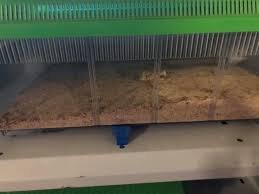
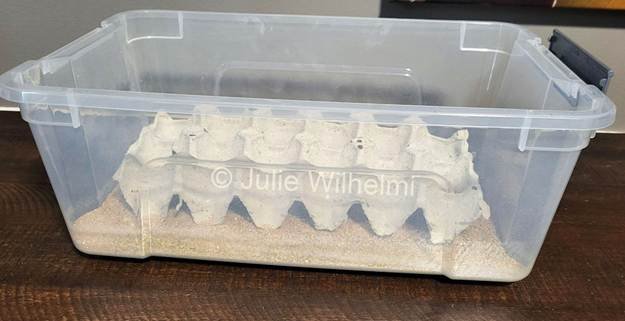
- Housing: Smooth-sided plastic tub/bin (e.g., 5-10 gal for 1,000 worms; ~1,000/sq ft max). 2-4″ wheat bran/oatmeal/cornmeal substrate for burrowing/food. Lid with ventilation holes (lidless risky for escapes/mold). Dark, quiet spot. No egg crates needed for storage (unlike roaches/crickets).
Example enclosure setups:
- Temperature: Refrigerate at 40-50°F (4-10°C) for storage—slows metabolism. Avoid <38°F (kills) or >55°F (pupation). Weekly: Room temp (70-80°F) 24 hrs to feed.
- Humidity: Low/dry (20-40%) to prevent mold/mites. Substrate moisture from veggies only.
- Diet: Substrate (bran/oats) is base food. No daily feeding in fridge. Gut-load 24-48 hrs pre-feeding: carrots, potatoes, apples, sweet potatoes, squash, dark greens (kale/collards). Avoid high-oxalate (spinach/broccoli), citrus, meat, onions.
- Water: Moist veggies or gel crystals (e.g., Thirsty Cricket)—no open water (drowning risk).
- Cleaning and Maintenance: Sift dead/moldy worms weekly (frass looks like coffee grounds). Replace moldy food daily, full sift/replace substrate every 2-4 weeks. Quarantine new batches.
- Handling: Tongs or shake into dish—dust with calcium (high P in mealworms).
Tips to Keep Them Alive Longer
Standard feeder batches last 1-4 weeks room temp, 2-6+ months refrigerated. Key killers: mold, dehydration, overheating, pupation.
- Refrigerate Properly: 45-50°F warmest fridge spot (door shelf). Pre-feed 4+ hrs grain/veggie before dormancy.
- Weekly Warm-Up: Every 7 days, room temp 24 hrs + fresh carrot/potato. Gut-loads + sustains.
- Prevent Mold: Remove uneaten veggies in 24 hrs, ensure ventilation, dry substrate. Use potato (less moldy than apple).
- Avoid Overcrowding/Cannibalism: 1,000 max per 5-gal; sift dead promptly (attracts mites/disease).
- Buy Small/Healthy: Smaller larvae last longer (less pupation risk). Reputable sources; inspect for mites (tiny white specks).
- Humidity Balance: Dry for storage; slight boost (veggie) prevents dehydration without mold.
- No Heat Mats: Overheats bins; natural room temp for warm-ups only.
With this, mealworms stay viable/nutritious for months as feeders (unlike crickets). For breeding, use 75-85°F + separate pupa/beetle bins, but avoid for simple storage.