
Facts About Dubia Roaches
Dubia roaches (scientific name: Blaptica dubia) are a popular feeder insect for reptiles, amphibians, and other pets due to their nutritional profile and ease of care. They originate from tropical regions of Central and South America, where they live on the forest floor and feed on decaying leaves, fruits, and plant matter.
Here are some key facts:
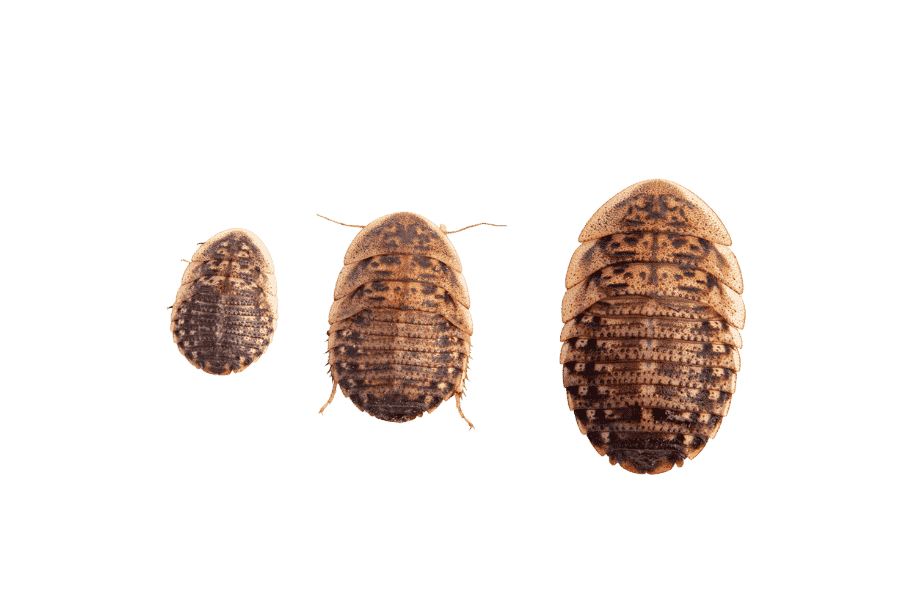
- Size and Appearance: Adults grow to 1.6-1.8 inches long with an oval-shaped body. They are dark brown, sometimes with lighter brown or orange markings. Males have full wings but rarely fly, while females have short wing stubs.
- Lifespan: They typically live 1-2 years under optimal conditions.
- Behavior: Dubia roaches cannot climb smooth surfaces or jump, making them easy to contain. They move slowly and prefer dark, humid environments.
- Nutrition: They are high in protein (around 36%), low in fat, and provide a good balance of calcium and other nutrients when gut-loaded properly, making them superior to crickets for many pets.
- Reproduction: Females carry eggs internally in an ootheca (egg case) until they hatch, giving birth to live nymphs. This is unlike many other roaches that lay eggs externally.
- Unique Biology: They have a decentralized nervous system, with nerve cells distributed throughout their body rather than concentrated in the head.
- Advantages as Feeders: Low odor, quiet (no chirping like crickets), low parasite risk, and easy to digest for pets.
For visual reference, here’s what Dubia roaches look like:
Care Guide for Dubia Roaches as Feeders
If you’re keeping Dubia roaches primarily as feeders (not breeding a colony), focus on simple storage to maintain their health without encouraging rapid reproduction. Aim for a setup that keeps them alive and nutritious for 1-4 weeks or longer, depending on quantity and conditions.
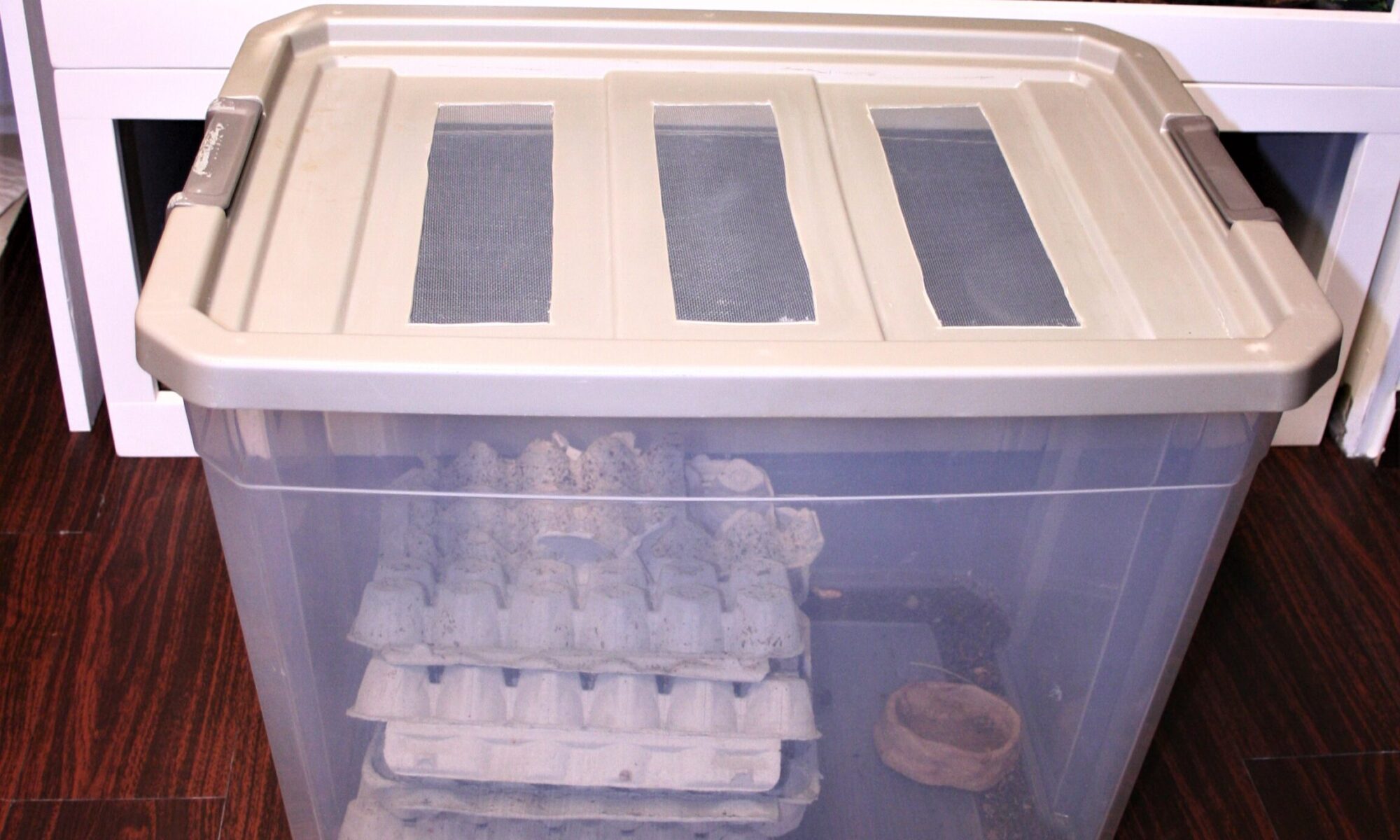
- Housing: Use a plastic storage bin or tub with smooth vertical sides to prevent escapes (Dubia can’t climb glass or smooth plastic). Ensure good ventilation with small holes or a screened lid to avoid moisture buildup. Add egg crates, cardboard tubes, or paper towel rolls for hiding spots—this reduces stress and cannibalism. Opt for a dark-colored or opaque bin to mimic their natural preference for low light. Keep the bin in a quiet, dark area. For small quantities (e.g., 50-100 roaches), a 5-10 gallon bin works; scale up for more. Example enclosure setup:

- Temperature: Maintain 60-85°F (15-29°C). For storing feeders, aim for the lower end (around 70°F) to slow metabolism and extend shelf life without stressing them. Avoid temperatures below 50°F, as they’re tropical and can die from cold. Use a heat mat if needed in cooler rooms, but monitor to prevent overheating.
- Humidity: Keep at 40-60%. Too low can cause molting issues; too high promotes mold. Mist lightly if needed, or rely on food moisture.
- Diet: Feed fresh fruits and vegetables like oranges, carrots, apples, potatoes, or greens for hydration and gut-loading (to boost nutrition for your pets). Add dry grains or roach chow sparingly. Avoid high-protein foods like dog/cat food or meat, as they can shorten lifespan and cause odors. Gut-load 24-48 hours before feeding to pets with nutritious items.
- Water: Provide water via gel crystals (like water polymers) or moist fruits/veggies to prevent drowning. Avoid open water dishes.
- Cleaning and Maintenance: Spot clean daily by removing uneaten food to prevent mold (which is deadly). Do a full clean every 2-3 weeks: replace substrate (if using any, like paper towels), wipe down the bin, and sort out dead roaches. No substrate is needed for short-term storage, but a thin layer of frass (roach waste) is fine if dry.
- Handling: Minimal handling is best. Use tongs or shake them into a feeding cup for pets.
Tips to Keep Them Alive Longer
To maximize longevity when storing as feeders (beyond the typical 1-2 weeks), focus on reducing stress and metabolic rate:
- Cooler Storage: Keep at 60-70°F to slow growth and activity, extending life by weeks without harming them. Avoid refrigeration—it’s too cold and can kill them.
- Minimize Protein: Stick to low-protein diets; excess protein stresses their systems and reduces lifespan.
- Dark and Calm Environment: Use a dark bin and quiet location to reduce stress. Provide plenty of hiding spots like egg crates.
- Prevent Mold and Overcrowding: Remove spoiled food immediately and ensure good airflow. Don’t overcrowd—aim for 1,000 roaches per square foot of floor space.
- Humidity Control: Maintain proper levels to aid molting; dry conditions can cause stuck molts and death.
- Buy Fresh and Inspect: Start with healthy roaches from reputable sources. Quarantine new arrivals and remove any dead or sick ones promptly to prevent spread of issues.
- Optional Cleaner Crew: For longer-term storage, add isopods or springtails to help with waste cleanup, but this is more for breeding setups.
With these practices, you can keep Dubia roaches alive for months as feeders. If you plan to breed them, higher temperatures (85-95°F) and more protein would be needed, but that’s outside a basic feeder care scope.