
Banded crickets (scientific name: Gryllodes sigillatus), also known as tropical house crickets or Indian house crickets, are a small species of cricket native to southwestern Asia but now established in tropical, subtropical, and arid environments worldwide. They are commonly used as feeder insects for reptiles, amphibians, birds, and other pets due to their nutritional value and ease of handling.
Here are some key facts:
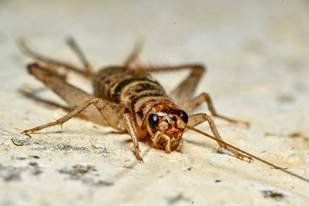
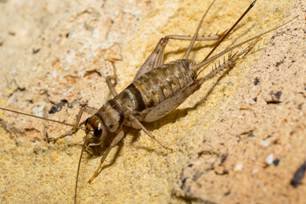
- Size and Appearance: Adults grow to about 0.5-0.75 inches long with a light brown body featuring dark bands or markings, giving them their name. Males have wings and can chirp, while females are similar but may vary slightly in pattern.
- Lifespan: They live 2-3 months as adults under good conditions, with a full life cycle from egg to adult taking 6-8 weeks.
- Behavior: Unlike house crickets, their chirping is softer, less persistent, and less noisy, making them more tolerable as feeders. They are active at night and prefer warm, humid environments but can jump and climb, so secure housing is essential.
- Nutrition: High in protein (around 60-70% dry weight), with good levels of fats, vitamins, and minerals when gut-loaded. They are a healthier alternative to some other crickets due to lower risk of carrying parasites.
- Reproduction: Females lay eggs in moist substrate, and they can breed prolifically in warm conditions. However, as feeders, breeding is often minimized by cooler storage.
- Unique Biology: They have been studied for use in sustainable protein sources for animal feed and even human consumption in some contexts.
- Advantages as Feeders: Quieter than house crickets, less smelly if maintained properly, and easier to digest for pets. They are hardy but sensitive to dehydration and overcrowding.
For visual reference, here’s what banded crickets look like:
Care Guide for Banded Crickets as Feeders
When keeping banded crickets primarily as feeders (not for breeding), prioritize simple, stress-free storage to maintain their nutrition and extend usability for 2-4 weeks or more. Focus on preventing common issues like dehydration, mold, and disease.
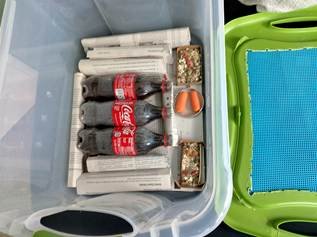
- Housing: Use a plastic bin or tub with a secure, ventilated lid (small holes or mesh) to prevent escapes, as they can jump and climb. Add egg crates, cardboard tubes, or paper towel rolls for hiding to reduce stress and cannibalism. Keep the bin in a dark, quiet area. For 500-1,000 crickets, a 10-20 gallon bin is suitable; avoid overcrowding.
Example enclosure setups:
- Temperature: Maintain 75-85°F (24-29°C) for general care; for longer storage as feeders, keep at the lower end (70-75°F) to slow metabolism without causing stress. Use a heat mat if needed, but avoid temperatures above 90°F or below 65°F, which can lead to death.
- Humidity: Aim for 40-60% to prevent molting issues or diseases. High humidity can cause bacterial growth and fatalities; mist lightly or use moist foods if needed, but ensure good ventilation.
- Diet: Gut-load 24-48 hours before feeding to pets with nutritious items like dark leafy greens (collards, kale), carrots, sweet potatoes, oranges, or commercial cricket chow/gut-load products. Offer dry grains sparingly for feeders to avoid rapid growth. Remove uneaten food daily to prevent mold.
- Water: Provide hydration via water gel crystals, a damp sponge, or moist fruits/veggies to avoid drowning. Avoid open water dishes.
- Cleaning and Maintenance: Spot clean daily by removing dead crickets, uneaten food, and waste to prevent odors, mold, and disease spread. Full clean every 1-2 weeks: replace any substrate (optional, like paper towels), wipe the bin, and inspect for issues. No deep substrate needed for short-term feeder storage.
- Handling: Use tongs or a cup to transfer for feeding; minimize direct contact to avoid stress.